Prevention & Maintenance

Subfloor, Roof Void & Weep Hole Maintenance Guide

The hidden areas of your home determine your pest risk. Learn how to maintain your subfloor, roof void and weep holes to keep pests out.

6 min read
Subfloor, Roof Void & Weep Hole Maintenance Guide
Prevention & Maintenance — Newcastle, Hunter Valley & Port Stephens
Prevention & Maintenancepest control Newcastle

The hidden pest highways

The three areas most homeowners never think about — the subfloor, the roof void and the weep holes — are the most important for pest prevention. These are the hidden highways that pests use to enter and travel through your home. Maintaining them properly is the single most effective thing you can do to reduce pest risk.

Subfloor maintenance

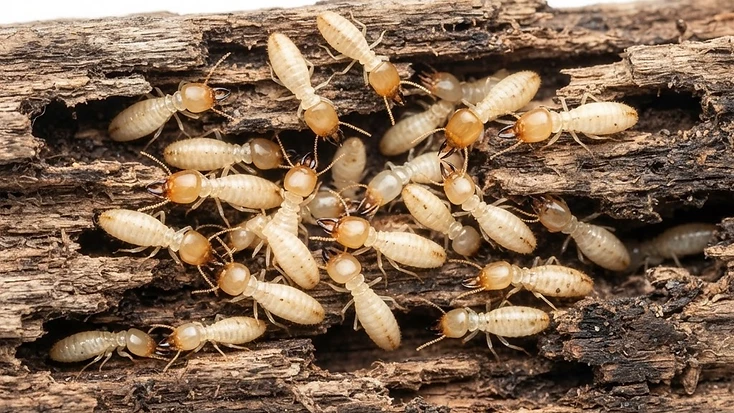
If your home has a raised timber floor, the subfloor is your first line of defence against termites, rodents and spiders. A damp, poorly ventilated subfloor is an open invitation to pests.

  1. 1Ensure all subfloor vents are clear and unobstructed — don't block them with stored items, garden beds or paving
  2. 2Check for and fix any plumbing leaks — even slow drips create damp conditions termites love
  3. 3Improve drainage if water pools under the house after rain
  4. 4Remove any stored timber, cardboard or building materials from the subfloor
  5. 5Consider installing a moisture barrier (heavy-duty polythene on the ground) if dampness is persistent
  6. 6Check for and seal any gaps where pipes enter the floor from the subfloor
  7. 7Never store firewood under the house

Roof void maintenance

The roof void is prime real estate for rodents, possums, birds and wasps. It's warm, dark, undisturbed and close to your living areas. Most homeowners never look in their roof until they hear something moving around at night.

  1. 1Check the roof void twice a year for signs of activity — droppings, nesting material, gnawed wiring
  2. 2Seal any gaps in the eaves, roofline or where pipes enter the roof space
  3. 3Check that roof tiles and ridge capping are intact — gaps allow rodents and birds to enter
  4. 4Ensure whirlybirds and roof vents are screened
  5. 5Don't store cardboard boxes in the roof — they attract silverfish and rodents and provide nesting material
  6. 6Check for possum entry points — possums can squeeze through surprisingly small gaps in the roofline

Weep hole maintenance

Weep holes are the gaps left in brick veneer walls above slab level and above window and door openings. They allow moisture to escape from the wall cavity — but they also allow termites and other pests to enter. They must remain clear but protected.

  1. 1Never fill weep holes with silicone, mortar or any material — this traps moisture and causes structural damage
  2. 2Keep soil, mulch and garden beds at least 75mm below the weep hole line
  3. 3Don't build paving or concrete paths above the weep hole level
  4. 4Ensure weep holes aren't blocked by vegetation, stored items or debris
  5. 5Consider installing stainless steel weep hole covers — these allow ventilation but block pest entry

Weep holes covered by garden beds or paving are the #1 cause of concealed termite entry in brick veneer homes. If your weep holes are below ground level, fix this immediately — it's a serious termite risk.

Share

Learn more about these pests

Need help with a pest problem?

Get a free quote from Universal Pest Control. We'll recommend the right treatment at published prices.

FAQ

Your questions answered

Subfloor, Roof Void & Weep Hole Maintenance Guide — what is this resource about?+

The hidden areas of your home determine your pest risk. Learn how to maintain your subfloor, roof void and weep holes to keep pests out.

Who wrote this Prevention & Maintenance guide?+

This guide was written by the licensed pest control professionals at Universal Pest Control, based on over 20 years of local experience in Newcastle, the Hunter Valley and Port Stephens.

Is this Prevention & Maintenance advice applicable to my area?+

Yes. All our articles are written specifically for Newcastle, Lake Macquarie, the Hunter Valley, Maitland and Port Stephens — reflecting our local climate, property types and pest patterns.

Can this guide help me identify a pest?+

Yes. Our articles include practical identification tips. For a definitive identification, especially for termites, we recommend a professional inspection — call us to arrange one.

Do you offer free quotes for Prevention & Maintenance treatments?+

Yes. You can get an instant indicative price with our online quote wizard, or call us directly. No obligation, no pressure.

Are your treatments safe for my family and pets?+

Yes. We use the latest scientific treatments applied by licensed technicians that are safer for babies, pets and your whole family. We always communicate re-entry times clearly.

What areas do you service for Prevention & Maintenance?+

We service Newcastle, Lake Macquarie, the Hunter Valley, Maitland and Port Stephens. Call 02 4954 3838 to confirm we cover your suburb.

Do you offer a guarantee on your treatments?+

Yes. We stand behind our work with a service guarantee. If you have any concerns after treatment, call us and we'll make it right.

How much do your pest treatments cost?+

General pest treatments start from $165 depending on dwelling type. Termite inspections start from $195 bundled. Specialist treatments are priced separately.

Can I share this article?+

Absolutely. If this article helped you, share it with friends, family or neighbours. Pest prevention advice is better when it's shared.

Where can I get more help with Prevention & Maintenance?+

Call 02 4954 3838 for expert advice, get a free quote online, or browse our full pest library for detailed information on every pest we treat.

Ready When You Are

Send Unwanted Guests Packing.

Found something crawling around that shouldn't be there? We'll identify the problem, explain the options and recommend the right treatment.