Spiders in the Hunter region
The Hunter region's mix of bushland, coastal habitat and suburban gardens supports a wide variety of spider species. Most are harmless and beneficial — they prey on insects including flies, mosquitoes and cockroaches. But several species found in Newcastle and the Hunter are medically significant and require caution.
Medically significant spiders
These spiders can cause serious illness or, in rare cases, death. If bitten by any of these, call 000 immediately and apply a pressure immobilisation bandage.
- Sydney funnel-web (Atrax robustus) — large, dark, glossy black; found in ground burrows, under logs and rocks. Males wander during warm, wet weather. Highly venomous — bites are life-threatening.
- Mouse spider (Missulena) — stocky, dark body, large fangs. Males wander looking for mates. Bites can cause serious symptoms, though less severe than funnel-web.
- Redback (Latrodectus hasselti) — small, black with a red stripe on the abdomen. Found in dry, sheltered spots — under outdoor furniture, in sheds, mailboxes and garden equipment. Bites are painful but rarely life-threatening.
- White-tailed spider (Lampona) — dark, slender body with a white tip on the abdomen. Wanders indoors hunting other spiders. Bites cause local pain and swelling.
Common harmless spiders
- Huntsman — large, hairy, fast-moving but harmless. Eats cockroaches and other insects.
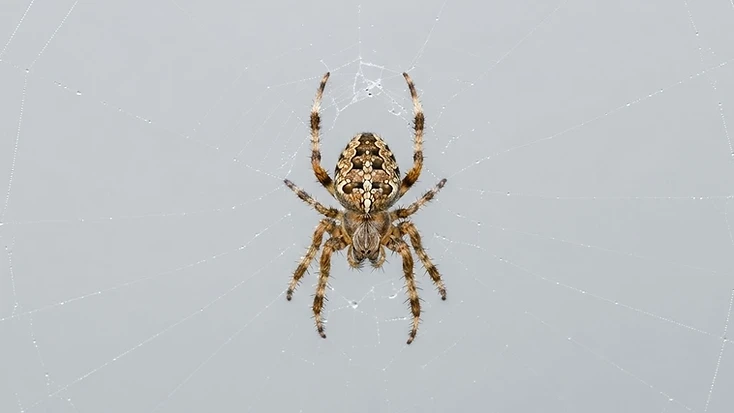
- Garden orb weaver — builds large circular webs in gardens and between trees. Harmless.
- Black house spider — dark, builds messy webs in window frames and under eaves. Bites are painful but not dangerous.
- St Andrew's cross spider — colourful garden spider with distinctive web cross pattern. Harmless.
- Wolf spider — ground-dwelling, mottled brown, carries young on its back. Bite is painful but not dangerous.
Reducing spiders around your home
- 1Remove webs regularly from eaves, windows and outdoor areas
- 2Keep vegetation trimmed away from exterior walls
- 3Reduce outdoor lighting that attracts the insects spiders feed on
- 4Wear gloves when moving timber, rocks or garden materials
- 5Check shoes and clothing left on the floor before putting them on
- 6A general pest treatment significantly reduces spider populations by eliminating their food source (insects) and treating web-building areas
First aid for funnel-web and mouse spider bites
Call 000 immediately. Apply a pressure immobilisation bandage — wrap firmly from the bite site up the limb, splint the limb, and keep the patient still and calm. Do not cut the bite or apply a tourniquet. Funnel-web antivenom is available and highly effective.