Why a seasonal approach matters
Pest activity in the Hunter region follows predictable seasonal patterns driven by temperature, humidity and rainfall. Understanding these cycles helps you stay ahead of infestations rather than reacting after damage is done. Newcastle's coastal climate means some pests — particularly cockroaches and ants — remain active year-round, while others peak sharply in specific months.
This calendar is based on two decades of call-out data from Universal Pest Control across Newcastle, Lake Macquarie, the Hunter Valley, Maitland and Port Stephens. Use it to plan preventative treatments and know when to be extra vigilant.
| Season | Peak pests | Key risk |
|---|---|---|
| Summer (Dec–Feb) | Cockroaches, ants, termites, wasps, mosquitoes | Termite swarming after rain |
| Autumn (Mar–May) | Rodents, spiders | Rodents move indoors |
| Winter (Jun–Aug) | Rodents, German cockroaches, silverfish | Indoor infestations |
| Spring (Sep–Nov) | Termites, ants, spiders, wasps, fleas | Termite swarm season begins |
Newcastle & Hunter seasonal pest activity at a glance.
Summer (December–February): Peak activity
Summer is the busiest season for pest control in the Hunter. Heat and humidity drive rapid breeding in cockroaches, ants, flies and mosquitoes. Termites are actively foraging and swarming, particularly after rain. Wasps and bees are at peak activity.
- Cockroaches — German and Australian species breed rapidly in warm weather
- Ants — coastal brown and Argentine ants trail indoors seeking moisture
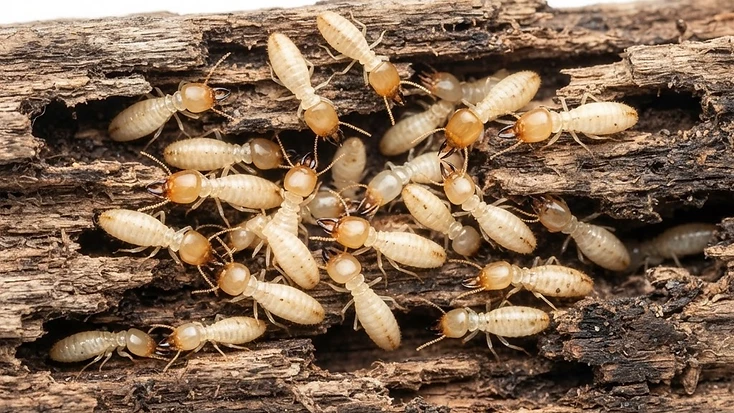
- Termites — subterranean termites swarm on hot, humid afternoons
- Wasps & bees — nests reach maximum size; removal becomes urgent
- Flies & mosquitoes — breeding in any standing water
If you see flying termites around your home on a humid summer afternoon, don't assume they're flying ants. A termite swarm near your property means a mature colony is within 100 metres — book an inspection immediately.
Autumn (March–May): Rodents move indoors
As temperatures drop, rodents start seeking warm shelter. Mice and rats that lived outdoors during summer now move into roof voids, subfloors and wall cavities. This is the single most important time for rodent prevention.
- Rodents — mice and rats move indoors; droppings and scratching noises begin
- Spiders — web-building spiders become more visible as males wander
- Ants — still active but starting to reduce foraging
- Termites — still foraging but less swarming activity
Winter (June–August): Indoor pests dominate
Winter pest activity shifts indoors. While outdoor pests slow down, anything already inside your home — cockroaches, rodents, silverfish — continues breeding in the warmth of your roof void and subfloor. Termite activity slows but does not stop; colonies continue feeding year-round.
- Rodents — peak indoor activity; rats in roof voids, mice in kitchens
- Cockroaches — German cockroaches continue breeding in warm kitchens
- Silverfish — active in damp bathrooms and laundries
- Termites — reduced but persistent; damage continues silently
Spring (September–November): The awakening
Spring is when everything wakes up. Termite swarming season begins, ant colonies expand rapidly, and spiders emerge to build new webs. This is the ideal time for a preventative general pest treatment before summer peak activity hits.
- Termites — swarming season begins; alates (winged reproductives) take flight
- Ants — colonies expand aggressively; trails appear in kitchens and bathrooms
- Spiders — new webs appear around eaves, gardens and windows
- Wasps — queens emerge and begin building new nests
- Fleas — emerge from dormant pupae as pets spend more time outdoors
A spring general pest treatment creates a protective barrier that lasts through the peak summer months. Combined with an annual termite inspection, it's the most cost-effective approach to year-round protection.