Why aged care pest management requires special care
Aged care facilities, nursing homes and retirement villages have a duty of care to some of the most vulnerable members of the community. Pest management in these settings requires special care — using low-toxicity products, targeting treatments to non-resident areas, and scheduling servicing to minimise disruption. Elderly residents may have compromised immune systems, respiratory conditions and increased sensitivity to chemical exposure.
Common aged care pests
- Cockroaches — harbour in kitchens, laundry areas, staff areas and behind equipment
- Rodents — enter through loading areas and gaps, nest in roof voids and plant rooms
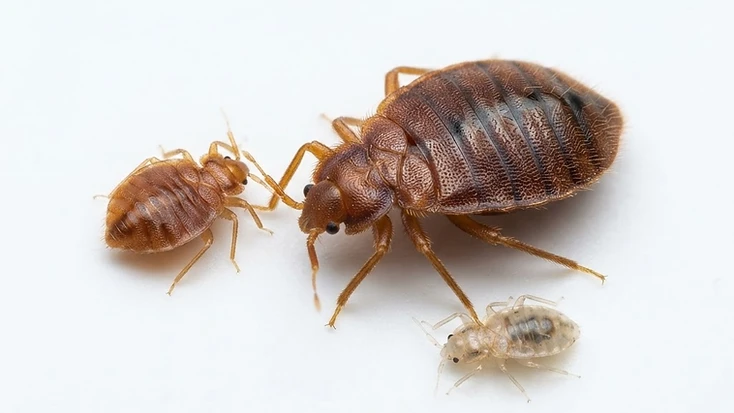
- Bed bugs — introduced by residents, visitors and luggage, spread between rooms
- Flies — enter through doors and windows, attracted to waste and food areas
- Ants — trail into resident rooms, kitchens and common areas from external entry points
Resident-safe treatment methods
We use low-toxicity products registered for sensitive environments, target treatments to non-resident areas (plant rooms, waste areas, perimeter), and schedule servicing to avoid resident contact. We coordinate with facility management and nursing staff to ensure treatments don't compromise resident safety or comfort. For urgent issues, we can treat unoccupied areas with appropriate precautions.
Bed bugs in resident rooms require rapid, discreet response. We inspect the reported room and adjacent rooms, treat with targeted application and heat/steam, and advise on mattress encasements and monitoring. A follow-up is essential to catch newly-hatched nymphs.
Aged Care Quality Standards compliance
Aged care facilities must comply with the Aged Care Quality Standards, state health department regulations, food safety standards and workplace health and safety. Pest management documentation is reviewed during aged care accreditation audits. Our service reports, bait station maps and trend analysis are designed to satisfy Aged Care Quality Standards and accreditation audits.