Are Possums Pests?
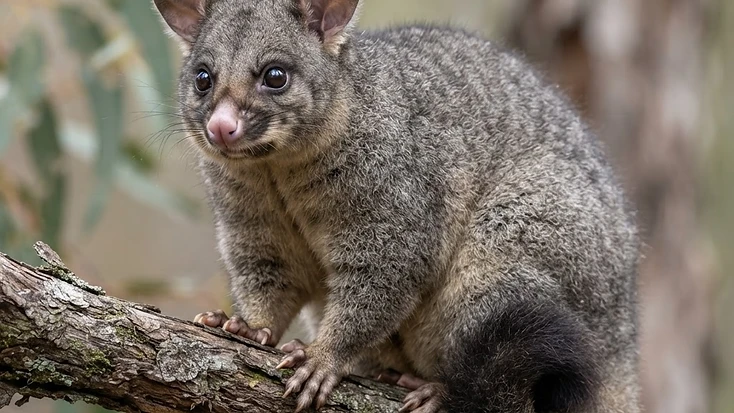
Possums aren't pests in the same sense as cockroaches, termites, rodents or ants. They are native Australian wildlife protected under NSW legislation. However, conflict can occur when a possum decides that your roof cavity is an excellent substitute for a tree hollow.
The NSW Government notes that brushtail possums commonly use roof cavities and can create frustrating problems for property owners. Simply removing the animal isn't necessarily a long-term solution because another possum may occupy the available shelter.
The objective of professional possum management should be: Identify → Remove/Exclude Humanely → Provide an Alternative Where Appropriate → Seal Entry Points → Prevent Re-entry.
Signs You May Have a Possum in Your Roof
One of the first challenges is determining whether the animal you're hearing is actually a possum. Possums and rodents can produce surprisingly similar noises. Common signs of possum activity include:
- Heavy noises at night — thumping, scratching, banging and movement across ceilings, particularly around dusk and dawn
- Noises coming from one regular area — a possum may establish a regular sleeping or nesting location
- Possum droppings in roof spaces, around entry points or underneath travel routes
- Strong odours from urine, faeces and nesting areas
- Roof damage or visible entry points — broken tiles, damaged fascia, roof gaps, eaves, vents, gaps around extensions or guttering
- Possums seen entering or leaving at dusk — observing your property around sunset can reveal the entry point
The NSW Government specifically recommends determining how the possum enters the roof by watching the building around dusk when the animal leaves to forage.
Possum or Rat? Why Correct Identification Matters
Before starting any treatment or exclusion program, the animal should be correctly identified. A roof cavity could potentially contain:
- Possums — heavy movement and larger footsteps are common
- Rats — usually lighter and faster scratching or scurrying noises
- Mice — generally much quieter scratching and movement
Correct identification is particularly important because the legal requirements surrounding possums are very different from rodent management. Never assume that an animal inside a roof is a rat and start laying rodenticide without investigating the source of the activity.
Why Are Possums Living in Newcastle Roofs?
Natural tree hollows provide shelter for possums. In urban environments, suitable hollows can be limited while houses provide plenty of warm, dry alternatives. A roof cavity can offer protection from weather, shelter from predators, warmth, darkness, nesting opportunities, proximity to food and established territory.
Newcastle's combination of mature vegetation, suburban housing and established gardens creates favourable conditions for possums. Once an accessible roof cavity becomes part of a possum's territory, removing the animal without fixing the building may simply create an opportunity for another possum.
Possum proofing is arguably just as important as possum removal itself. Without sealing the entry points, another possum will likely take the place of the one removed.
Is Possum Removal Legal in NSW?
Possums are protected in NSW under the Biodiversity Conservation Act 2016. Capturing a protected animal constitutes 'harm' under the legislation, so catching and releasing possums is regulated. It is illegal to simply trap a possum and drive it kilometres away to release it into bushland.
Property owners generally have two pathways where authorised capture is required:
- 1Apply for an appropriate landholder licence, or
- 2Engage a commercial operator holding a current catch-and-release possum licence
When a properly licensed commercial possum operator is engaged to catch and release a possum from premises, the NSW Government states that the landholder does not need to separately obtain a landholder licence for that catch-and-release activity. Always check the current requirements applicable to your circumstances before proceeding.
Can You Relocate a Possum Somewhere Else?
Generally, you can't simply catch a possum and take it to another suburb or release it into distant bushland. Possums are highly territorial. NSW Government guidance explains that relocation into unfamiliar territory can significantly reduce an animal's chances of survival because suitable areas may already be occupied by other possums.
Current NSW guidance states that where authorised catch-and-release occurs, a possum must be released:
- After sunset
- On the property where it was captured
- Within 150 metres of the capture point
- Against a structure it can immediately climb
These requirements are an important reason to choose an appropriately licensed and experienced possum management provider.
How Professional Possum Removal Works
A good possum management program should involve considerably more than simply placing a trap in the roof. The process typically follows these steps:
- 1Property inspection — establish whether possum activity is present, where the animal is living, likely entry and exit locations, potential alternative entry points, whether other pests may also be present, whether exclusion work is practical, and whether there are signs of young possums
- 2Identify entry points — find the access point(s) which may include broken tiles, gaps beneath roofing, fascia gaps, damaged eaves, vents, roof junctions, gaps around extensions, deteriorated building materials, or trees and vegetation touching or overhanging the roof
- 3Determine the appropriate management method — options include behavioural encouragement/exclusion, installation of a possum nesting box, one-way exclusion, licensed live capture and release where required, physical proofing, and habitat modification
- 4Possum proofing the building — repair broken roof tiles, close fascia gaps, seal roof penetrations, repair damaged eaves, secure vents, install mesh barriers, and trim problematic overhanging vegetation
- 5Check for other entry points — don't assume the obvious hole is the only one; inspect the entire accessible building envelope including roof cavities, chimneys, drainpipes and other potential access areas
- 6Roof cavity cleaning and remediation — remove droppings, contaminated nesting materials, clean affected surfaces, deodorise, assess damaged insulation, and inspect for electrical or building damage
Encouraging the Possum to Leave & One-Way Exclusion
It may be possible to encourage a possum to relocate from the roof to alternative accommodation on the same property without trapping it. NSW Government guidance suggests establishing a suitable possum nesting box and, where practical, transferring existing nesting material into it so the possum's scent is present. The nesting box should be installed in a suitable tree at least four metres above the ground.
A properly designed one-way exclusion point can allow the possum to leave while preventing it from getting back inside. Timing is critical — the building should not be sealed without first confirming that the possum has left, otherwise an animal or potentially dependent young could become trapped inside. NSW guidance recommends blocking access only after confirming the possum has left the roof to forage, generally at night.
Licensed Catch and Release Conditions
Where trapping is considered necessary, it must be conducted under the appropriate NSW licensing arrangements. Licence conditions include animal welfare requirements:
- Cage traps must be checked each day between 5 am and 10 am
- A possum must not remain in a cage for more than 24 hours
- A possum removed from a roof cavity must be in a cage covered with permeable material
- Release must occur after sunset
- Release must occur on the property and within 150 metres of capture
- The possum must be released against something it can immediately climb
Professional operators should understand and comply with the conditions applying to their licence. Always ask to see evidence of current licensing before engaging a possum removal provider.
What Happens if There Is a Baby Possum?
A female possum may have dependent young. An inexperienced person could remove the adult or close an entry point while young remain inside. Professional inspection and appropriate wildlife-handling procedures become particularly important when young animals may be present.
If an animal is injured, sick or orphaned, wildlife rehabilitation should be handled by appropriately authorised wildlife carers or veterinary professionals. NSW maintains specific welfare standards for the rescue, rehabilitation and release of possums and gliders.
How Much Does Possum Removal Cost in Newcastle?
There isn't necessarily a meaningful one-price-fits-all figure because the work required can vary substantially between properties. Factors influencing the cost include:
- Property size and single or multi-storey construction
- Roof height and accessibility
- Number of entry points and inspection requirements
- Trapping requirements and number of monitoring visits
- Exclusion work and roof repairs
- Possum box installation
- Cleaning and remediation of the roof cavity
- Access equipment required
When comparing quotes, ask exactly what is included. A cheap 'possum removal' quote may only cover trapping, while a more comprehensive service could include inspection, exclusion, proofing and follow-up.
How to Choose a Possum Removal Company in Newcastle
- 1Ask about their NSW possum licence — don't just ask 'Do you do possum removal?' Ask 'Do you currently hold the appropriate NSW catch-and-release possum licence for this work?'
- 2Ask what their process actually includes — a professional provider should clearly explain: Inspection → Identification → Removal/Exclusion → Release where applicable → Proofing → Prevention → Follow-up
- 3Ask about roof exclusion — one of your most important questions should be 'How are you going to stop another possum getting back into my roof?' The answer should involve finding and addressing access points
- 4Ask where a captured possum will be released — if someone tells you 'We'll catch it and take it out to the bush somewhere,' that should immediately raise questions about NSW release requirements
- 5Ask about animal welfare — how traps are monitored, how captured animals are protected, how young possums are handled, how release is conducted, and how injured wildlife is managed
- 6Check insurance and experience — ask for evidence of public liability insurance, relevant wildlife licensing, experience with roof inspections, safe working-at-height procedures, and documented treatment or inspection reports
- 7Look at local reviews — search for reviews specifically mentioning possum removal, roof exclusion, communication, follow-up, punctuality, recurrence of the problem and workmanship
Can I Remove a Possum Myself?
There are non-capture measures homeowners can consider, including providing alternative shelter and encouraging the possum to leave before appropriately closing entry points. However, trapping, catching or releasing a possum without the required authority is illegal in NSW.
Never: poison a possum, use lethal traps, deliberately injure the animal, capture it without appropriate authority, drive it kilometres away and release it, or seal a roof while an animal may still be inside. When in doubt, use an appropriately licensed professional.
Preventing Possums from Returning
The best long-term possum strategy is prevention. Regularly inspect:
- Roof tiles — replace cracked, displaced or missing tiles
- Fascia and eaves — repair deteriorated sections and close significant gaps
- Roof penetrations — inspect areas around pipes, vents and other penetrations
- Vegetation — manage branches that provide direct access onto the roof
- Secondary structures — inspect garages, sheds, pergolas and extensions that may provide access routes
- Alternative habitat — a suitable possum nesting box may provide an alternative sleeping location while allowing the possum to remain within its established territory
Frequently Asked Questions About Possum Removal
| Question | Answer |
|---|---|
| Are possums protected in NSW? | Yes. Possums are protected native wildlife under NSW's Biodiversity Conservation Act 2016. |
| Can pest control companies remove possums? | A commercial operator undertaking regulated catch-and-release work needs the appropriate current NSW licence. Always verify the operator's licensing. |
| Can possums be poisoned? | No. Possums are protected native wildlife, and NSW catch-and-release licence conditions prohibit killing or injuring possums. |
| Can you relocate a possum into bushland? | Not as a normal catch-and-release solution. NSW requirements generally require release on the property where the animal was captured, within 150 metres of the capture point. |
| Why does my possum keep coming back? | The roof may still contain an accessible entry point, or another possum may occupy the available shelter. Long-term management requires exclusion and building proofing. |
| What time should a captured possum be released? | Current NSW licence guidance requires release after sunset. |
| Should I seal the hole immediately? | No. First make sure the possum has left and that dependent animals aren't being trapped inside. |
Common questions about possum removal in Newcastle and the Hunter.
The Best Possum Treatment Is Usually Exclusion, Not Extermination
Possum management requires a different mindset from conventional pest control. The goal isn't to eradicate possums from your neighbourhood — they are part of Newcastle's native wildlife. The goal is to create a clear boundary: the possum can live in its territory, just not inside your roof.
A properly managed program combines wildlife compliance, humane management, careful inspection and effective building exclusion. If you're hearing noises in your roof, arrange an inspection with an appropriately licensed and experienced provider.