Why coastal areas face different pest pressures
Lake Macquarie and Port Stephens properties face pest challenges that inland Newcastle suburbs don't. The combination of high humidity, salt air, proximity to waterways and abundant vegetation creates ideal conditions for moisture-loving pests. Coastal homes also tend to have more outdoor entertaining areas, timber decking and garden structures — all of which are attractive to termites and other timber pests.
Termites in coastal areas
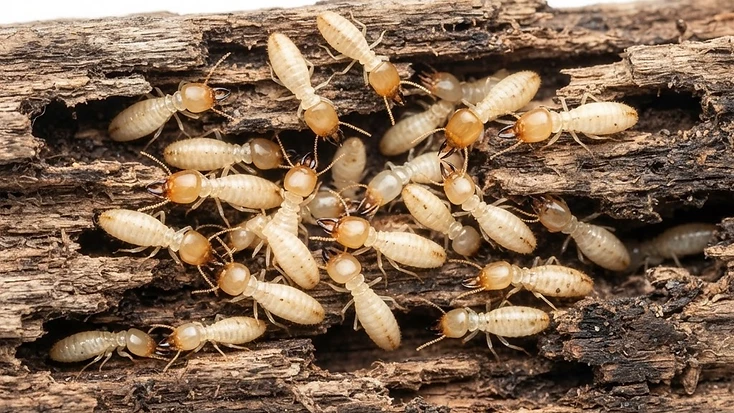
Subterranean termites thrive in the moist, sandy soils around Lake Macquarie and Port Stephens. Properties near bushland reserves, waterways or with sandy subfloor soil are at elevated risk. The high water table in some coastal areas means termite colonies can establish closer to the surface, making detection harder and damage faster.
- Timber decking and pergolas are prime termite targets — inspect annually
- Properties on the lake or bay edge need more frequent termite monitoring
- Sandy soil allows termites to travel further from the colony to your home
- Salt air can degrade chemical soil barriers faster than in inland areas
Ants: the coastal constant
Coastal brown ants and Argentine ants are the dominant ant species around Lake Macquarie and Port Stephens. These invasive species form massive supercolonies that can cover entire streets. Unlike native ants, they don't compete with each other — multiple nests cooperate, making them extremely difficult to eliminate without professional treatment.
If you're seeing ant trails in your kitchen year-round — not just in summer — you likely have a coastal brown or Argentine ant problem. These species require targeted baiting programs, not just surface spraying.
Mosquitoes and sandflies
Properties near Lake Macquarie, the Hunter River estuary or Port Stephens waterways face significant mosquito and sandfly (biting midge) pressure, particularly at dawn and dusk during the warmer months. While these are not structural pests, they significantly impact outdoor lifestyle. Reducing standing water, maintaining flyscreens and using outdoor surface treatments can help manage populations around your home.
Moisture and pest connection
Coastal homes often have higher internal humidity, which attracts pests like silverfish, cockroaches and termites. Ensuring good subfloor ventilation, using exhaust fans in bathrooms and laundries, and addressing any rising damp issues will make your home less attractive to moisture-loving pests.