Why construction type matters
The way your home is built is one of the biggest predictors of pest risk — sometimes more important than location. Different construction types create different pest access points, harbourage areas and vulnerabilities. Understanding your home's construction helps you target prevention where it matters most.
Timber subfloor homes (pre-1970s)
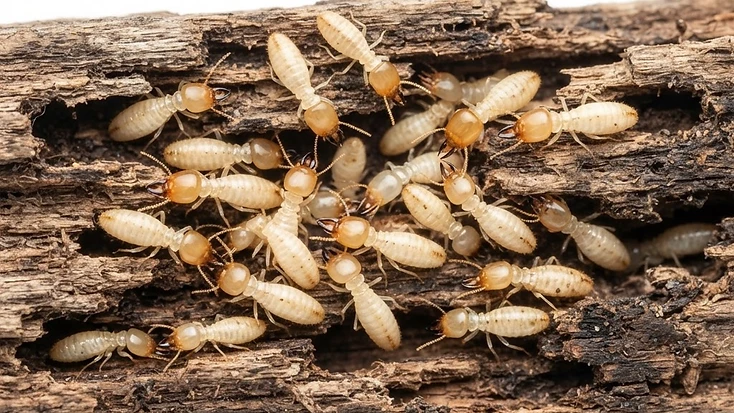
Many older homes in Newcastle, Maitland and the Hunter Valley were built with raised timber floors on brick piers. These homes are the highest pest risk category. The subfloor provides easy access for termites, rodents and spiders, and timber floor joists are direct termite food.
- Termites can travel up piers directly into floor timbers — no slab barrier
- Subfloor moisture attracts termites and fungal decay
- Rodents nest in subfloor insulation and wall cavities
- Poor subfloor ventilation creates ideal pest conditions
If you own a timber subfloor home, ensure subfloor vents are clear and unblocked, consider installing a moisture barrier, and never skip your annual termite inspection.
Brick veneer on concrete slab (1970s–2000s)
Brick veneer homes on concrete slabs became standard from the 1970s. The concrete slab provides a termite barrier — but it's not impenetrable. Termites can enter through slab edge gaps, weep holes, pipe penetrations and settlement cracks. These homes are lower risk than timber subfloor homes but are not termite-proof.
- Weep holes must remain clear — termites use them as entry points
- Slab edge exposure is critical — don't build garden beds or paving above the slab edge
- Pipe penetrations through the slab need to be sealed
- Attached garages and extensions often have different slab levels — a common entry point
Modern construction (post-2000)
Newer homes in estates like Rutherford, Thornton and Fletcher are built to modern building codes that require termite barriers — either physical (metal mesh, granite) or chemical (soil treatment under the slab). However, these barriers can degrade over time and are only effective if the building envelope remains intact. Any renovation, extension or landscaping work can breach the barrier.
Modern homes also tend to have more complex roof designs, more plumbing penetrations and more enclosed spaces (alfresco areas, garages) that can create hidden pest access points.
Units and apartments
Apartments and units have lower structural termite risk due to concrete construction, but they're not immune to cockroaches, bed bugs and rodents. German cockroaches are the most common pest in Newcastle apartments, spreading between units through shared plumbing and wall cavities. Bed bugs can be introduced via travel and spread between units in the same building.