Types of pest audits
Commercial pest audits come in several forms: council environmental health inspections (for food businesses), food safety audits (for HACCP-certified businesses), customer or third-party audits (for suppliers to major retailers), and internal audits (as part of your own quality management system). All assess whether your pest management program is adequate, documented and effective.
What auditors check
- Pest control service records — current, complete and signed by a licensed pest controller
- Site map showing bait station and trap locations — with station numbers and service dates
- Trend reports — pest activity data over time showing patterns and corrective actions
- Corrective action records — what was done when pest activity was detected
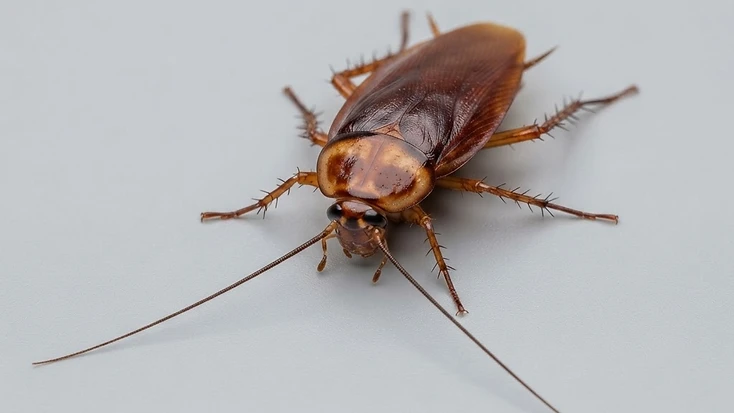
- Visual inspection — no signs of pest activity (droppings, egg cases, live or dead pests, gnawed packaging)
- Entry point integrity — flyscreens intact, doors self-closing, gaps sealed, strip curtains in place
- Waste management — bins sealed, garbage area clean, no fly or rodent attractants
- Chemical storage — pest control chemicals stored correctly, not in food areas
How to prepare
- 1Ensure all pest control documentation is current and accessible — don't scramble to find records during the audit
- 2Review your last audit report and confirm all previous corrective actions are complete
- 3Conduct a pre-audit walk-through — check for any visible signs of pest activity
- 4Verify all bait stations and traps are in place, numbered and serviceable
- 5Check all entry points — flyscreens, door seals, strip curtains, gap seals
- 6Brief staff on pest management procedures — they may be asked questions
- 7Ensure the garbage area is clean and bins are sealed
- 8Have your pest controller's contact details available in case of questions
If issues are found
If an audit identifies pest management deficiencies, you'll typically receive an improvement notice with a timeframe to rectify. Address issues promptly, document the corrective actions, and notify your pest controller immediately. A good commercial pest management provider will help you respond to audit findings, provide additional documentation and adjust the program to prevent recurrence.
The best defence against audit issues is a proactive, well-documented pest management program. Reactive pest control — only calling when there's a problem — almost always fails audits. Universal Pest Control provides scheduled commercial programs with audit-ready documentation.