Each spring and summer across Newcastle and the Hunter, European wasps become one of the most dangerous stinging insects around homes. Unlike bees, they can sting repeatedly, and they release an alarm pheromone that summons the rest of the nest to attack. For anyone with an allergy, even a single sting can cause anaphylaxis.
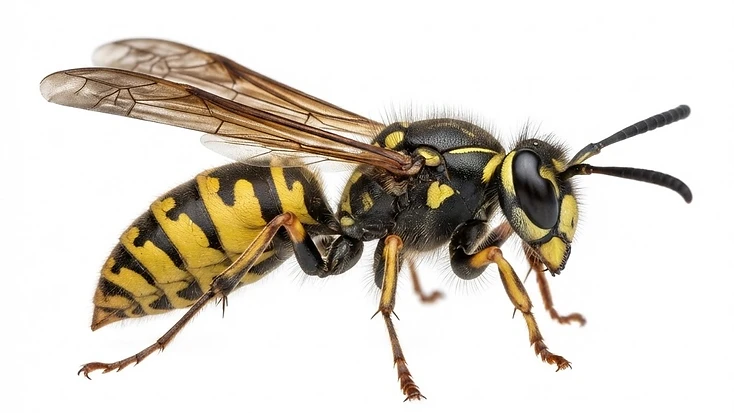
European wasps look similar to bees — black and yellow — but have brighter yellow bands and longer, drooping antennae. They build hidden nests in wall cavities, roof voids, trees or in the ground, often entering through a small gap in a wall or eave. Paper wasps, by contrast, build open umbrella-shaped combs under eaves and in shrubs, and are less aggressive but will sting if disturbed.
If you suspect a European wasp nest, keep people and pets well clear and don't approach it. Never try to treat a nest yourself — disturbing it without protective equipment and the right products can result in dozens of stings in seconds. If anyone nearby has a known wasp or bee allergy, treat it as a medical safety issue and call a professional immediately.
Professional removal starts with locating the nest, which isn't always obvious. Treatment is applied at dusk or after dark when the wasps have returned and are less active, and the nest is then destroyed and removed where accessible. Pricing depends on nest location and accessibility and is confirmed after assessment. A quick call to a licensed pest controller is the safe, sensible option for any suspected European wasp nest.