Possum Removal in North Rothbury, Hunter Valley
If you're hearing noises in your roof in North Rothbury, you're not alone. Possums are common throughout Hunter Valley and the wider Newcastle & Hunter area, particularly in established suburbs with mature trees and easy access to roof cavities. This guide is tailored to possum management in North Rothbury and covers identification, NSW laws, humane removal, roof exclusion and prevention.
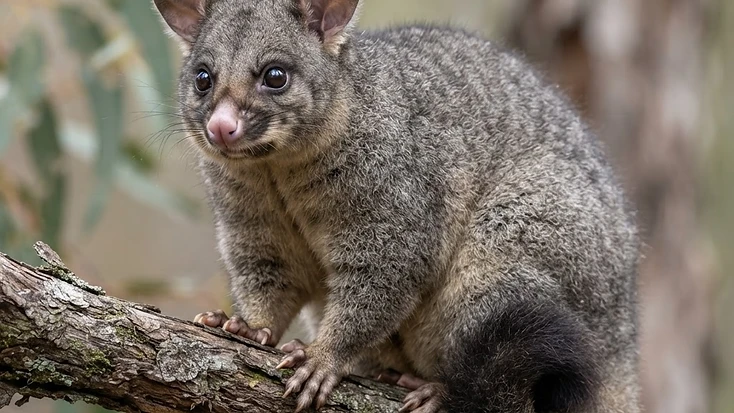
If you're hearing heavy footsteps, scratching, thumping or movement in your roof at night, there's a reasonable chance you could have an unwanted possum sharing your home. Possums are common throughout Newcastle, Lake Macquarie, Maitland, Port Stephens and the Hunter Region, particularly in established suburbs with mature trees and easy access to roof cavities.
But possum management is very different from conventional pest control. Possums are protected native animals in New South Wales, which means they cannot simply be poisoned, killed, trapped or relocated like rats or mice. NSW laws regulate how possums can be captured and released, and anyone considering professional possum removal should make sure the operator understands and complies with these requirements.
Possums aren't pests in the same sense as cockroaches, termites, rodents or ants — they are native Australian wildlife protected under NSW legislation. However, conflict occurs when a possum decides your roof cavity is an excellent substitute for a tree hollow. The NSW Government notes that brushtail possums commonly use roof cavities and can create frustrating problems for property owners. Simply removing the animal isn't necessarily a long-term solution because another possum may occupy the available shelter.
Common signs of possum activity include heavy noises at night — thumping, scratching, banging and movement across ceilings, particularly around dusk and dawn. You may also notice droppings in the roof space, strong odours from urine and nesting areas, and visible roof damage such as broken tiles, damaged fascia or gaps in eaves. The NSW Government recommends determining how the possum enters the roof by watching the building around dusk when the animal leaves to forage.
Correct identification matters. A roof cavity could contain possums (heavy movement and larger footsteps), rats (lighter, faster scratching or scurrying) or mice (much quieter scratching). The legal requirements surrounding possums are very different from rodent management — never assume an animal inside a roof is a rat and start laying rodenticide without investigating the source of the activity.
In urban environments, natural tree hollows can be limited while houses provide warm, dry alternatives. A roof cavity offers protection from weather, shelter from predators, warmth, darkness and nesting opportunities. Newcastle's combination of mature vegetation, suburban housing and established gardens creates favourable conditions for possums. Once an accessible roof cavity becomes part of a possum's territory, removing the animal without fixing the building may simply create an opportunity for another possum — which is why possum proofing is arguably just as important as possum removal itself.
Possums are protected in NSW under the Biodiversity Conservation Act 2016. Capturing a protected animal constitutes 'harm' under the legislation, so catching and releasing possums is regulated. Property owners generally have two pathways where authorised capture is required: apply for an appropriate landholder licence, or engage a commercial operator holding a current catch-and-release possum licence. It is illegal to simply trap a possum and drive it kilometres away to release it into bushland — possums are highly territorial, and relocation into unfamiliar territory can significantly reduce an animal's chances of survival.
Current NSW guidance states that where authorised catch-and-release occurs, a possum must be released after sunset, on the property where it was captured, within 150 metres of the capture point, and against a structure it can immediately climb. Licence conditions also require that cage traps are checked each day between 5 am and 10 am, a possum must not remain in a cage for more than 24 hours, and the cage must be covered with permeable material.
A good possum management program involves considerably more than simply placing a trap in the roof. The process includes property inspection to establish whether possum activity is present and identify entry points, determining the appropriate management method (behavioural encouragement, one-way exclusion, licensed catch and release, or physical proofing), possum proofing the building by sealing entry points, checking for other access areas, and roof cavity cleaning and remediation to address droppings, nesting material and contamination.
One important consideration is whether a female possum has dependent young. An inexperienced person could remove the adult or close an entry point while young remain inside. If an animal is injured, sick or orphaned, wildlife rehabilitation should be handled by appropriately authorised wildlife carers or veterinary professionals. This is another reason DIY trapping and sealing can cause problems — and why professional inspection is particularly important when young animals may be present.
When choosing a possum removal company in Newcastle, ask whether they currently hold the appropriate NSW catch-and-release possum licence, what their process includes (inspection, identification, removal, exclusion, proofing, prevention and follow-up), how they handle roof exclusion, where a captured possum will be released, and how they handle animal welfare. Check insurance and experience, and look at local reviews specifically mentioning possum removal and roof exclusion — a company having hundreds of reviews for general pest sprays doesn't necessarily demonstrate extensive possum-management experience.
The best long-term possum strategy is prevention. Regularly inspect roof tiles, fascia and eaves, roof penetrations, and vegetation that provides direct access to the roof. A suitable possum nesting box may provide an alternative sleeping location while allowing the possum to remain within its established territory. Remember: the goal isn't to eradicate possums from your neighbourhood — they are part of Newcastle's native wildlife. The goal is to create a clear boundary: the possum can live in its territory, just not inside your roof. If you're hearing noises in your roof, arrange an inspection with an appropriately licensed and experienced provider.
150m
Max release distance
After sunset
Release timing
Daily
Trap check (5–10am)
24 hrs
Max cage time